
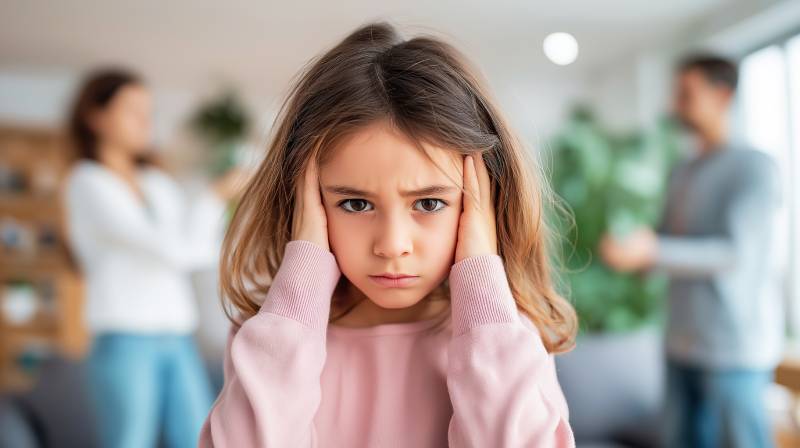
Protective patterns that once helped us survive but now interfere with connection are usually created by past trauma in current relationships. These responses can include emotional withdrawal, hypervigilance, or difficulty trusting others; relationship stress is treated as potential danger by the nervous system, even when we’re safe.
Fast Facts
- At least one traumatic event that can impact relationships has been experienced by approximately 70% of adults
- Tone of voice, facial expressions, or conflict patterns can trigger trauma responses
- The brain’s threat detection system remains active for months or years after trauma
- Consistent, safe relationship experiences can rebuild secure attachment
- Specific triggers are identified and healthier response patterns developed through trauma counselling
Understanding Trauma’s Relationship Footprint
What researchers call an “emotional fingerprint” on how we connect with others is left by trauma. The brain adapts to prioritize survival over connection when someone experiences abuse, neglect, or other overwhelming events. These adaptations made perfect sense at the time; challenges can be created by them, though, when we’re trying to build healthy adult relationships.
Threat assessments aren’t automatically updated by the nervous system when circumstances change. A person who experienced childhood emotional abuse might find themselves scanning their partner’s face for signs of anger, even in loving relationships. Their body is still protecting them from dangers that no longer exist.
How Trauma Shows Up in Daily Interactions
Overreactions to everyday situations are often how trauma responses in relationships look. Someone might feel panicked when their partner doesn’t text back quickly. They might become defensive during normal disagreements. These aren’t character flaws; they’re protective mechanisms that are working overtime.
Surprisingly subtle cues can trigger the brain’s alarm system. A certain tone of voice, a facial expression, or even the way someone closes a door might activate trauma responses. Partners often feel confused when their loved one suddenly seems distant or upset over something that seemed minor. Interesting how that works.
The Trust Challenge
Rewiring deeply ingrained protective patterns is what building trust after trauma involves. Many trauma survivors describe feeling like they’re constantly waiting for the other shoe to drop, even in stable relationships. This hypervigilance was adaptive during dangerous situations but becomes exhausting in safe ones.
Trust develops gradually through consistent, predictable interactions. It’s less about grand gestures; it’s more about small, reliable moments of safety. New neural pathways associated with safety are helped to form when a partner follows through on commitments, respects boundaries, and remains calm during conflicts.
Attachment Patterns and Healing
Our natural attachment system, which is how we learned to connect with caregivers early in life, is often disrupted by trauma. Avoidant patterns are developed by some people, keeping others at a distance to prevent potential hurt. Others become anxiously attached, seeking constant reassurance that the relationship is secure.
These patterns aren’t permanent, though they can feel deeply ingrained. People are helped by trauma counselling to understand their specific attachment style and develop more secure ways of connecting. Both understanding past experiences and practicing new relationship skills in the present are involved in the process.
Communication After Trauma
More complex communication becomes the reality when trauma is involved. Survivors might struggle with expressing needs directly, fearing rejection or conflict. Difficulty hearing feedback without interpreting it as criticism or abandonment might also be experienced by them.
Practice and patience are required for learning to communicate about trauma responses. It’s found helpful by many couples to develop signals or code words that indicate when someone is feeling triggered. Space for the trauma response is created by this without deriving the entire relationship dynamic.
The Role of Professional Support
A significant difference in relationship healing can be made by working with a trauma-informed therapist. How past experiences influence present behaviors is understood by these professionals, and both individuals and couples can be guided through the recovery process. Specific triggers are identified and practical coping strategies developed by them.
In Alberta, the foundation they need to build healthier relationships is found by many adults through trauma counselling. The therapeutic relationship itself becomes a place to practice new ways of connecting safely. If trauma patterns affecting your relationships are being noticed by you, professional support can help you move toward the connections you want. Visit our website to learn more about trauma-informed therapy options.
Mini-FAQ
Q: Why do I overreact to small relationship conflicts? Your nervous system can be made hypersensitive to perceived threats by trauma. What feels like a small disagreement to others might trigger your fight-or-flight response. Your brain is trying to protect you based on past experiences.
Q – Can childhood trauma really affect adult relationships decades later? Look, the brain doesn’t operate on a timeline the way we think it should. Neural pathways that influence how we interpret safety and danger in relationships are created by early trauma. These patterns can persist until they’re actively addressed through therapy.
Q: Is it possible to have healthy relationships after trauma? Absolutely. You aren’t sentenced to unhealthy relationships forever by trauma. With proper support and trauma counselling, new ways of connecting that feel both safe and fulfilling are developed by people. That still surprises people.
Q – How do I know if my relationship problems are trauma-related? Fair point to wonder about this. If patterns like extreme fear of abandonment, difficulty with intimacy, or reactions that seem bigger than the situation warrants are noticed by you, trauma might be involved. This can be sorted out with help from a qualified therapist.